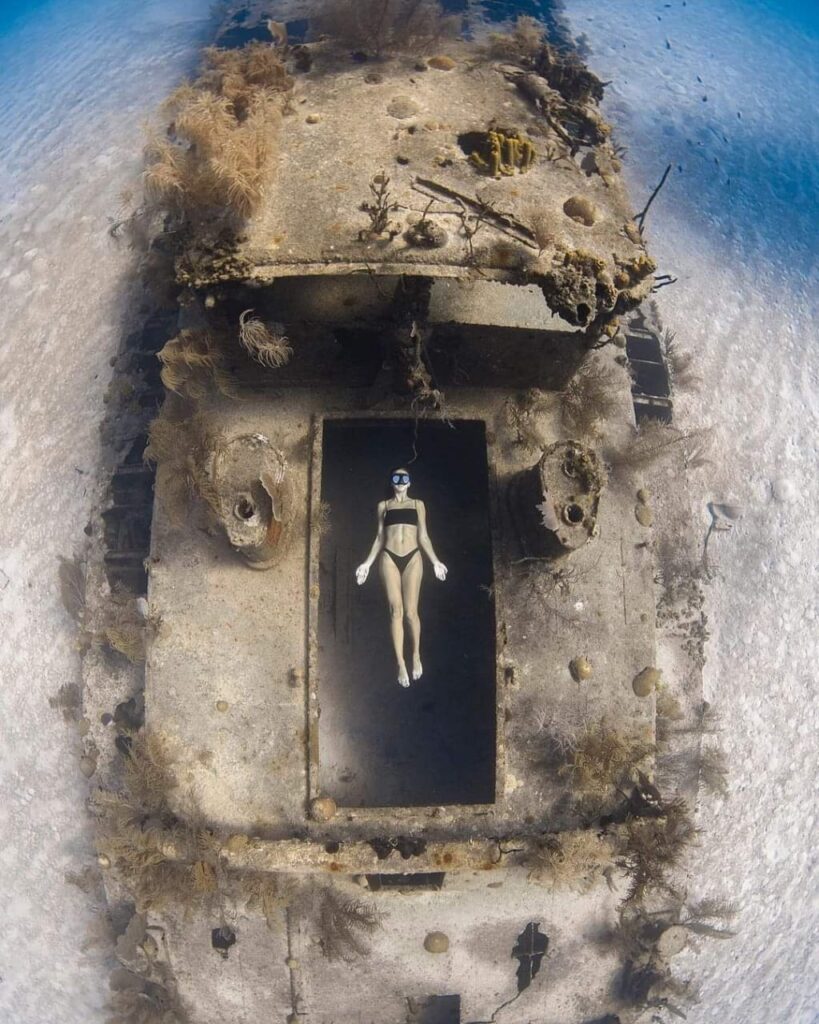
How to Market Freediving Camps, Retreats and Multi-Day Experiences
Selling a single freediving session is relatively simple. Travelers usually want to know where it happens, how long it lasts, what level of experience is required, and how much it costs.
Selling a multi-day freediving camp or retreat is different because the customer is not simply purchasing an activity. They are choosing how to spend several days of their vacation, often investing in accommodation, transportation, training, meals, and other experiences at the same time.
That makes freediving camp marketing more complex than promoting a regular tour.
A successful campaign has to communicate the complete experience: the diving, the destination, the community, the progression, the accommodation, the downtime, and the emotional reason someone would want to join in the first place.
If the marketing focuses only on depth, technique, and certification, a camp may look like an extended training course. If it focuses only on beaches and sunsets, travelers may not understand what they are actually buying.
The strongest strategy combines both.
Why Freediving Camps Need a Different Marketing Strategy
A freediving camp has a higher commitment level than a half-day activity. Travelers need to block several days, travel to the destination, trust the instructors, understand what is included, and feel confident that the experience suits their level.
This means potential guests usually need more information before they book.
They may want to know:
- whether beginners can participate
- how much freediving happens each day
- whether certification is included
- what accommodation is like
- what happens outside training sessions
- whether they need their own equipment
- what food is provided
- whether transportation is included
- how physically demanding the experience is
- whether they will have free time
- what kind of group usually attends
The role of marketing is to answer those questions while still creating enough desire for the traveler to imagine themselves there.
Start With the Experience, Not Just the Activity
One of the biggest mistakes in freediving camp marketing is selling the camp as a schedule.
For example:
Day 1: Check-in
Day 2: Pool training
Day 3: Open water
Day 4: Cenote session
Day 5: Departure
That information is useful, but it is not the reason most travelers will book.
A traveler is more likely to respond to what those days mean: becoming more comfortable underwater, improving breath control, exploring a new marine environment, meeting people with similar interests, and spending several days disconnected from everyday routines.
The itinerary supports the sale.
The experience creates the desire.
Define Who the Freediving Camp Is For
Before creating advertisements, SEO pages, or social content, the business should clearly define the type of traveler the camp is designed to attract.
A beginner freediving retreat requires very different messaging from a performance-focused depth camp.
Potential audiences might include:
- complete beginners
- certified freedivers
- intermediate divers wanting progression
- underwater photographers
- ocean and wellness travelers
- digital nomads
- solo travelers
- couples
- adventure travelers
- people combining freediving with yoga or breathwork
Trying to market one camp to all of these audiences at once can make the message vague.
A better approach is to identify the primary customer and build the experience around their goals.
Position the Camp Around a Clear Transformation
Multi-day experiences become easier to market when the customer understands how the trip may change their experience of freediving.
That transformation does not have to be dramatic.
It might be:
- going from nervous to comfortable underwater
- learning proper breath-hold techniques
- improving equalization
- earning a first certification
- progressing safely to deeper dives
- learning better body positioning
- becoming more confident in open water
- reconnecting with the ocean
This gives the camp a stronger story than simply saying, “Five days of freediving.”
A clear transformation helps potential guests understand why several days of training and immersion may be more valuable than booking individual sessions.
SEO for Freediving Camps and Retreats
Freediving camps often attract international travelers, which makes organic search particularly valuable.
Potential guests may begin researching months before they are ready to book.
Useful keywords may include:
- freediving camp Mexico
- freediving retreat
- freediving camp for beginners
- freediving vacation
- freediving training camp
- freediving retreat Mexico
- freediving cenote experience
- multi-day freediving course
- freediving holiday
- freediving and yoga retreat
A strong freediving camp marketing strategy should target both commercial searches and broader travel-planning questions.
This allows the business to reach travelers who already know they want a camp as well as those who are still deciding what kind of trip they want.
Build a Dedicated Freediving Camp Landing Page
A multi-day experience should usually have its own detailed landing page rather than being buried inside a general freediving services page.
The page should explain the complete experience in one place.
Useful sections include:
- who the camp is for
- location
- dates
- duration
- daily activities
- training level
- accommodation
- meals
- transportation
- equipment
- instructors
- group size
- pricing
- what is included
- what is not included
- cancellation terms
- frequently asked questions
The goal is to reduce the number of unanswered questions that prevent someone from booking.
Sell the Destination Alongside the Camp
A freediving camp is also a travel product.
Guests are not only choosing an instructor or training program. They are deciding whether they want to spend several days in that destination.
For this reason, camp marketing should include information about:
- beaches
- cenotes
- reefs
- marine life
- local culture
- nearby attractions
- restaurants
- climate
- travel connections
- transportation
- accommodation
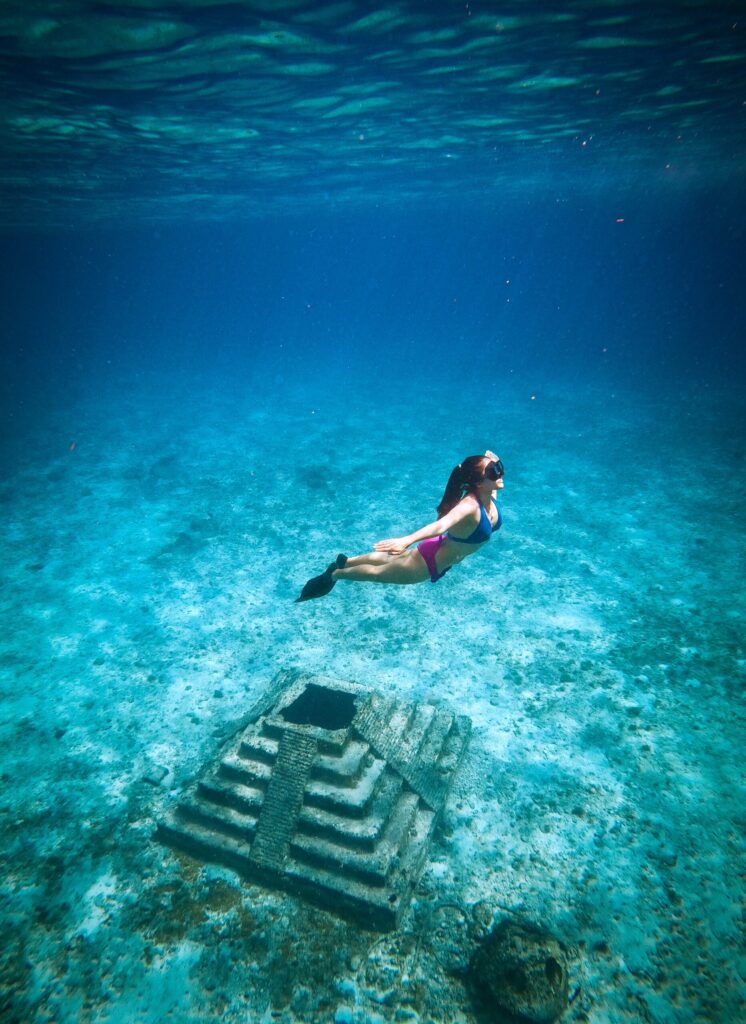
A camp in the Mexican Caribbean, for example, may be able to combine ocean sessions, cenote freediving, snorkeling, local food, and relaxation.
That broader experience can make the trip more appealing to travelers who want more than technical training.
Use the Destination as Part of the SEO Strategy
Destination content can also support organic search.
Instead of optimizing only for “freediving camp,” create supporting content around topics such as:
- Best Time to Freedive in [Destination]
- Freediving Conditions in [Destination]
- Beginner Freediving in [Destination]
- Cenote Freediving Guide
- Marine Life You May See While Freediving
- How to Prepare for a Freediving Camp
- What to Pack for a Freediving Retreat
These articles can attract travelers earlier in the planning process and internally link them toward the main camp page.
This creates a stronger SEO ecosystem than relying on one sales page alone.
Show What a Day at the Camp Actually Looks Like
Many potential guests have never attended a multi-day freediving retreat.
That means they may struggle to imagine the experience.
Instead of only presenting a list of activities, describe a typical day.
For example:
A morning may begin with breathing exercises and mobility work, followed by an open-water session. Guests may return for lunch and rest before an afternoon workshop, cenote visit, photography session, or relaxed group activity.
This helps travelers understand the rhythm of the camp and whether it matches the type of vacation they want.
Use a Simple Camp Itinerary
A clear itinerary can still be extremely useful when presented alongside the overall experience.
| Day | Main Experience | Supporting Activity |
|---|---|---|
| Day 1 | Arrival and orientation | Group welcome |
| Day 2 | Technique and breathing | Pool or confined-water session |
| Day 3 | Open-water freediving | Video review |
| Day 4 | Cenote or ocean session | Local excursion |
| Day 5 | Progression and final dives | Closing activity |
The exact structure should reflect the real camp rather than using a generic itinerary.
A good schedule provides structure while leaving enough flexibility for weather, water conditions, and individual progression.
Create Content Around the People, Not Only the Water
Freediving is visually powerful, so marketing often becomes dominated by underwater footage.
That footage is important, but camps are also social experiences.
Potential guests want to know who they will spend several days with.
Show:
- meals together
- instructors talking with guests
- people preparing equipment
- group briefings
- surface intervals
- relaxed evenings
- travel between locations
- celebrations after dives
These moments communicate community.
For solo travelers in particular, seeing the social side of the experience can reduce uncertainty about joining a group alone.
Use Video to Sell the Atmosphere
Multi-day experiences are difficult to explain through static images alone.
Short-form video can show the different layers of the camp quickly.
A 20- to 30-second video might include:
- morning coffee
- breathing exercises
- equipment preparation
- a boat departure
- underwater descent
- marine life
- cenote footage
- group lunch
- sunset
- guests laughing after a session
The purpose is not simply to show attractive footage.
The video should help viewers imagine what several days at the camp would feel like.
Customer Testimonials Are Especially Important
Joining a multi-day retreat requires trust.
Potential guests are committing more time and money than they would for a regular tour, so testimonials can reduce uncertainty.
Strong testimonials may address:
- instructor quality
- safety
- improvement
- group atmosphere
- accommodation
- organization
- destination experience
- comfort for solo travelers
Specific testimonials are usually more useful than generic comments such as “Amazing experience!”
A statement explaining that an instructor helped someone overcome equalization problems or feel more comfortable in open water tells future guests much more.
Show Instructor Experience Without Making the Page Too Technical
Instructor credibility is important, but a camp page does not need to read like a professional résumé.
Potential guests generally want to know that the instructors are experienced, qualified, safety-focused, and good at teaching people at their level.
A useful instructor section can include:
- certifications
- years of experience
- languages spoken
- teaching philosophy
- areas of specialization
- experience with beginners or advanced divers
Photos and short personal introductions can make instructors feel more approachable.
That is particularly important for beginners who may already feel nervous about joining a freediving course.
Explain Safety Clearly
Safety is one of the most important considerations in freediving.
Camp marketing should explain how sessions are managed without making the experience sound frightening or overly technical.
Useful information might include:
- trained instructors
- buddy procedures
- supervised sessions
- progressive training
- depth limits based on ability
- emergency procedures
- weather monitoring
- appropriate surface recovery
The message should communicate that progression happens within a controlled environment.
This can reassure both beginners and more experienced divers.
Market to Beginners Without Intimidating Them
Freediving marketing often features impressive depth footage.
That can inspire experienced divers, but it can also make beginners think the experience is not for them.
If beginners are welcome, say so clearly.
Content should show:
- shallow training
- breathing practice
- equalization exercises
- relaxed surface sessions
- beginner instruction
- gradual progression
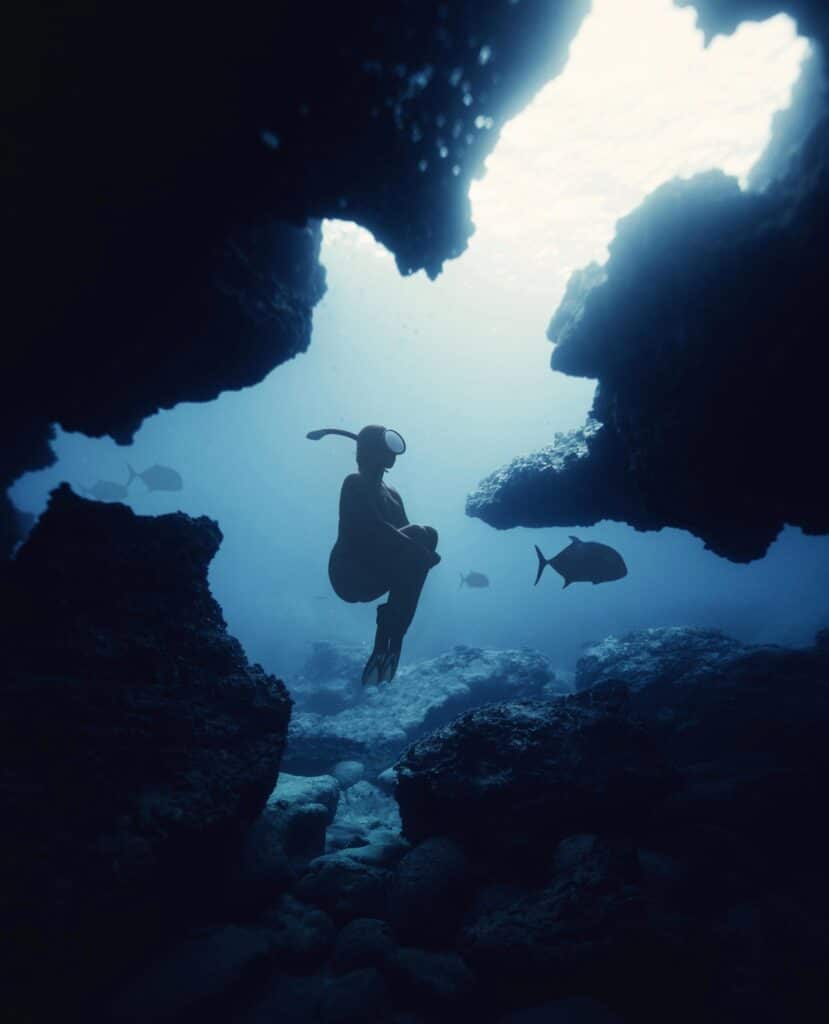
Not every image needs to show someone disappearing 30 meters into blue water.
Sometimes the best marketing image is someone smiling after their first comfortable descent.
Explain What Guests Will Learn
Potential customers want to know what skills are included.
Depending on the program, training may involve:
- breathing preparation
- relaxation
- equalization
- duck dives
- finning technique
- body position
- safety procedures
- buddy skills
- open-water technique
Keep explanations accessible.
The goal is to help travelers understand the value of the program rather than impress them with technical vocabulary.
Combine Freediving With Complementary Experiences
One advantage of a multi-day camp is that it can include more than freediving.
Complementary activities may increase the perceived value of the trip and appeal to travelers who want a more complete vacation.
Possible additions include:
- yoga
- breathwork
- snorkeling
- cenote exploration
- underwater photography
- meditation
- beach activities
- cultural experiences
- local food experiences
The key is consistency.
Every activity should support the overall experience rather than feeling like something added simply to make the itinerary longer.
Understand the Difference Between a Camp and a Retreat
The words “camp” and “retreat” can attract slightly different audiences.
| Freediving Camp | Freediving Retreat |
|---|---|
| More training-focused | More experience-focused |
| Often emphasizes progression | Often combines diving and wellness |
| May appeal to certified divers | Can appeal to lifestyle travelers |
| Structured sessions | More relaxed schedule |
| Skills and technique | Balance, connection, and travel experience |
A business does not necessarily need to choose only one term.
However, understanding the difference can help shape SEO keywords and advertising messages.
Make Pricing Easy to Understand
Multi-day experiences naturally cost more than individual dives, which means unclear pricing can quickly create hesitation.
The camp page should explain exactly what the price includes.
This may cover:
- accommodation
- instruction
- equipment
- transportation
- boat trips
- entrance fees
- meals
- certifications
- excursions
- photos or videos
If flights or certain meals are not included, explain that too.
Transparent pricing makes the experience easier to compare and reduces unnecessary questions before booking.
Use Packages to Make the Value Clear
Instead of presenting the experience as several individual costs, package the major elements together.
For example:
| Package Element | Included |
|---|---|
| Accommodation | Yes |
| Daily freediving sessions | Yes |
| Equipment | Yes |
| Transportation to dive sites | Yes |
| Cenote excursion | Yes |
| Breakfast | Yes |
| Flights | No |
A simple table can communicate value much faster than several paragraphs.
It also helps travelers understand why the camp costs more than booking one or two individual sessions.
Use Scarcity Carefully
Camps naturally have limited spaces because group size affects safety, instruction quality, accommodation, and logistics.
That creates real scarcity.
Marketing can mention:
- limited group size
- registration deadlines
- specific camp dates
- remaining availability
Avoid fake countdown timers or artificial pressure if the spaces are not actually limited.
Real constraints are enough.
Use Email Marketing Before and After Launch
Not every potential guest will book the first time they discover the camp.
Email can help maintain interest while travelers coordinate flights, vacation dates, and budgets.
Useful email topics include:
- camp announcement
- instructor introduction
- destination guide
- what a typical day looks like
- accommodation preview
- packing guide
- previous guest story
- final availability reminder
This creates several reasons to reconnect without sending the same “book now” message repeatedly.
Use Social Media to Document the Experience
Social media is especially valuable for freediving camp marketing because the product is highly visual.
Content ideas include:
- underwater clips
- student progress
- instructor tips
- accommodation tours
- camp meals
- marine life
- destination scenery
- behind-the-scenes preparation
- guest testimonials
- daily camp recaps
During the camp, real footage can also become marketing material for the next session.
A single five-day experience may generate several months of useful content.
Retarget Travelers Who Show Strong Interest
Multi-day experiences usually have a longer decision process than single-day activities.
A visitor may view the camp page several times before booking.
Retargeting campaigns can reconnect with travelers who:
- visited the landing page
- watched camp videos
- opened marketing emails
- interacted with social content
Ads can then highlight different parts of the experience instead of repeating the same message.
One ad might focus on training, another on cenotes, another on accommodation, and another on community.
Market Before the Season Starts
A multi-day camp requires more planning than a regular excursion, so promotion should begin well before the camp dates.
A simple timeline could look like this:
| Timing | Marketing Focus |
|---|---|
| 4–6 months before | SEO page, early announcement, interest collection |
| 3–4 months before | Paid ads, social content, email promotion |
| 2–3 months before | Testimonials, itinerary, destination content |
| 1–2 months before | Availability messaging and retargeting |
| During camp | Capture photos, videos, and testimonials |
| After camp | Recap content and promotion for future dates |
Starting early gives travelers enough time to organize flights, vacation days, and travel budgets.
It also gives SEO content time to begin attracting organic traffic.
Common Freediving Camp Marketing Problems
Problem 1: The Marketing Only Shows Deep Diving
Beautiful depth footage can attract experienced freedivers, but it may make beginners assume the camp is too advanced.
Solution: Show progression, training, surface sessions, beginner experiences, and social moments as well.
Problem 2: The Camp Looks Like a Course With Accommodation
If the messaging focuses entirely on training hours and certifications, the experience may feel overly technical.
Solution: Market the destination, community, lifestyle, and activities alongside the instruction.
Problem 3: The Page Does Not Explain What Is Included
A high price without context can make the camp look expensive.
Solution: Clearly show accommodation, training, transportation, activities, and other inclusions.
Problem 4: Travelers Cannot Tell Who the Camp Is For
Generic messaging creates uncertainty.
Solution: Clearly define whether the camp is designed for beginners, certified divers, advanced athletes, or mixed levels.
Problem 5: Marketing Starts Too Late
Someone may love the camp but still need time to arrange travel.
Solution: Begin promotion several months before the experience whenever possible.
Practical Tips for Better Freediving Camp Marketing
Before launching a campaign, review the experience from the customer’s perspective.
Ask:
- Can visitors immediately understand who the camp is for?
- Is the destination clearly explained?
- Can they see what a normal day looks like?
- Are accommodation and meals clear?
- Is pricing transparent?
- Does the page explain safety?
- Are instructors introduced?
- Are there real photos and testimonials?
- Is there enough time before the camp for international travelers to plan?
- Is the booking process easy on mobile?
A traveler considering a multi-day experience needs confidence as much as inspiration.
Strong marketing provides both.
FAQs About Freediving Camp Marketing
How early should a freediving camp be marketed?
International camps should generally begin promotion several months before the start date.
Travelers may need to coordinate flights, vacation days, accommodation, and budgets, so the buying cycle is usually longer than for a one-day activity.
Should a freediving camp target beginners?
It can, provided the program is genuinely designed to support them.
Beginner-focused marketing should emphasize safety, gradual progression, instruction, and comfort rather than extreme depths.
What content works best for freediving retreats?
A mixture usually works best.
Underwater footage attracts attention, while testimonials, instructor content, accommodation, group activities, destination footage, and behind-the-scenes moments help travelers understand the complete experience.
Should a freediving camp include accommodation?
It does not have to, but accommodation can make the experience easier to understand and book.
Packages that combine training, lodging, and selected activities may also make the total value more obvious to international travelers.
Is SEO useful for seasonal camps?
Yes.
Potential guests often search for freediving destinations, retreats, certifications, and seasonal conditions well before camp dates are announced.
Evergreen destination and camp pages can continue attracting potential guests between individual events.
What is the difference between marketing a freediving course and a retreat?
A course is usually marketed around skills, certification, and progression.
A retreat or camp should also communicate community, destination, accommodation, atmosphere, and the broader travel experience.
Turn a Freediving Camp Into an Experience People Can Imagine
The most effective freediving camp marketing helps travelers picture themselves inside the experience before they arrive.
They should be able to imagine waking up near the water, training with instructors, improving their skills, exploring a cenote or reef, meeting other travelers, sharing meals, and returning home with more confidence underwater.
SEO can help those travelers discover the camp. Social media can show what it looks like. Testimonials can build trust. Clear pricing and a strong landing page can reduce the uncertainty that often prevents someone from booking.
For freediving schools, retreat organizers, and marine tourism businesses, Romti can develop SEO, content, advertising, and digital marketing strategies designed specifically around multi-day experiences.
The goal is not simply to promote another freediving product.
It is to communicate why spending several days immersed in the experience is worth the trip.


 French
  Spanish
  English