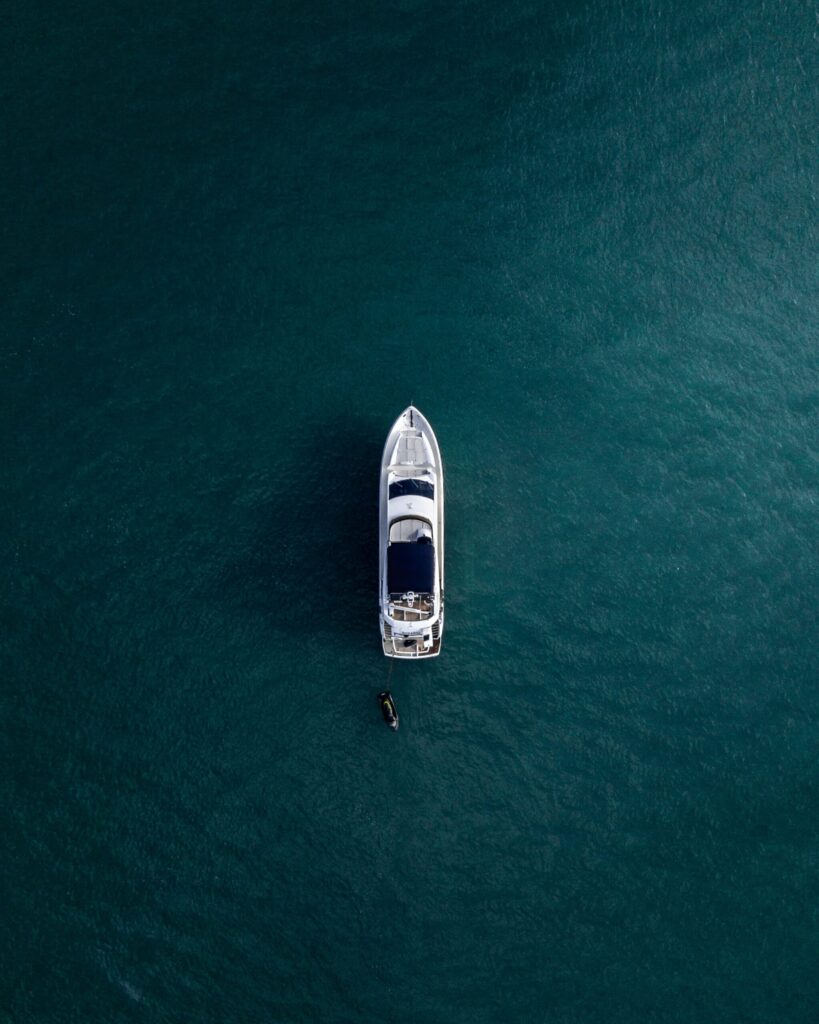
A yacht charter website has a more complicated job than simply displaying beautiful boats.
It needs to help travelers answer several questions quickly:
Which yacht is right for me?
Where can I go?
How much will it cost?
What is included?
How many guests can join?
Can I book for a birthday, wedding, fishing trip, or family day?
What happens if the weather changes?
Is this yacht actually available on my dates?
And perhaps most importantly:
Why should I book directly with this charter company instead of continuing to search?
This is where yacht charter website SEO becomes more than keyword optimization.
A successful website must combine search visibility, clear information architecture, destination expertise, fleet organization, pricing transparency, local SEO, strong photography, fast mobile performance, and a frictionless inquiry or booking process.
Yacht charter customers frequently compare several operators before making a decision. High-value charters may also have a longer consideration period than simpler tourism activities because travelers are comparing boats, amenities, group sizes, itineraries, budgets, and special-event requirements.
The website therefore needs to support the entire journey:
Google search → destination research → yacht comparison → trust → price evaluation → availability → inquiry → booking
Google’s current Search guidance continues to emphasize technically accessible websites and content that adds unique, useful value. In May 2026, Google also reinforced that these same SEO fundamentals remain relevant for generative AI Search and specifically encouraged businesses to publish distinctive, non-commodity information based on real expertise.
For yacht charter businesses, that creates a major opportunity.
Generic travel sites may know that Cancun has yachts.
A real local operator knows:
- Which marinas are most convenient
- Which yachts work best for large groups
- Which routes are realistic within four hours
- When seas become rough
- Which destinations require longer charters
- Which boats have cabins, flybridges, shade, or water toys
- How weather affects each route
- What guests commonly misunderstand about pricing
- Which experiences work best for families, couples, parties, or corporate groups
That expertise should define the website structure.
What Is Yacht Charter Website SEO?
Yacht charter website SEO is the process of structuring, optimizing, and improving a yacht charter company’s website so that travelers can discover relevant boats, destinations, experiences, and charter information through search engines.
It includes:
- Keyword research
- Fleet architecture
- Yacht detail pages
- Destination pages
- Local SEO
- Pricing information
- Content marketing
- Technical SEO
- Internal linking
- Image optimization
- Structured data
- Mobile UX
- Booking conversion
- Seasonal content
- Reviews and trust signals
The objective is not simply to generate traffic.
The objective is to attract qualified charter demand.
A visitor searching:
“private yacht rental Cancun for 15 people”
is commercially different from someone searching:
“what is a yacht?”
The website architecture should prioritize the first type of visitor without ignoring useful educational searches that can introduce the business earlier in the planning journey.
Why Website Structure Is Critical for Yacht Charter SEO
Yacht charter websites often become disorganized as companies add boats and destinations.
The navigation may eventually contain:
- Yachts
- Boats
- Rentals
- Charters
- Tours
- Experiences
- Destinations
- Packages
- Events
without a clear hierarchy.
That creates problems for both users and search engines.
A traveler may not know whether:
Yachts → Luxury Yachts → 50–60 ft
and
Boat Rentals → Private Boats
contain different products or the same boats.
Clear architecture reduces this confusion.
A strong structure also helps search engines understand how pages relate to each other.
Google’s breadcrumb documentation notes that breadcrumb markup can help Google categorize pages within the context of a site’s hierarchy, while its broader guidance emphasizes making important URLs accessible and logically organized.
For a yacht charter company, the website hierarchy should reflect how customers actually shop.
Recommended Yacht Charter Website Structure
A practical top-level structure could look like:
Homepage
→ Fleet
→ Destinations
→ Experiences
→ Pricing / Charter Information
→ About
→ Reviews
→ Guides / Resources
→ Contact / Book
Under Fleet:
→ Motor Yachts
→ Sailing Yachts
→ Catamarans
→ Luxury Yachts
→ Large Group Yachts
Under Destinations:
→ Cancun
→ Isla Mujeres
→ Cozumel
→ Tulum Coast
→ Puerto Vallarta
depending on the real operating area.
Under Experiences:
→ Birthday Yacht Charter
→ Sunset Charter
→ Bachelor / Bachelorette Charter
→ Family Yacht Day
→ Corporate Charter
→ Proposal / Anniversary Charter
→ Snorkeling Yacht Trip
The exact structure depends on inventory and destination.
The principle remains:
one clear page for each meaningful search intent.
Fleet Pages Are the Commercial Core of Yacht Charter SEO
The fleet is usually one of the most valuable parts of a yacht charter website.
Do not hide every yacht inside a booking widget.
Search engines and customers need crawlable, useful pages.
A main Fleet page should allow users to compare options based on meaningful characteristics such as:
- Yacht length
- Capacity
- Price
- Cabins
- Bathrooms
- Charter duration
- Yacht type
- Amenities
- Departure marina
Filters can improve usability, but the underlying yacht content should still be accessible through normal site navigation.
Every Yacht Should Have Its Own SEO Page
Each important vessel should generally have a dedicated page.
For example:
/fleet/55-foot-azimut-yacht/
That page can target searches related to:
- yacht size
- model
- destination
- capacity
- experience
- charter type
A yacht detail page should not simply contain ten photographs and a “Contact Us” button.
It should answer buying questions.
What Every Yacht Fleet Page Should Include
A useful yacht detail page should clearly display:
Yacht Name and Model
State the vessel name, manufacturer, and model when relevant.
Yacht Length
For example:
55 ft / 16.8 m
International customers may appreciate both systems.
Maximum Capacity
This should be highly visible.
Group size is one of the most important filtering criteria.
Cabins and Bathrooms
Explain what guests can actually use during the charter.
Departure Location
State the marina.
Do not make customers discover after contacting you that the yacht leaves an hour from their hotel.
Charter Durations
For example:
- 4 hours
- 6 hours
- 8 hours
- Full day
Pricing
Clearly explain the pricing structure.
What’s Included
Examples may include:
- Captain
- Crew
- Fuel within defined route
- Water
- Soft drinks
- Ice
- Towels
- Snorkeling equipment
- Paddleboard
- Bluetooth sound system
What’s Not Included
Examples might include:
- Dock fee
- Premium catering
- Transportation
- Gratuity
- Additional fuel
- Marine park fees
- Alcohol
Amenities
Highlight genuine features such as:
- Air conditioning
- Flybridge
- Sunbeds
- Cabins
- Full kitchen
- Sound system
- Water toys
- Stabilizers
Photography
Show both interior and exterior spaces.
Suggested Itineraries
Help customers understand what is realistically possible during each charter duration.
Availability CTA
Examples:
Check Availability
Request This Yacht
Ask About This Yacht
Yacht Fleet Pages Should Help Customers Compare
Customers rarely evaluate yachts in isolation.
They compare.
A fleet comparison table can reduce friction.
| Yacht | Length | Capacity | Cabins | Best For | Starting Price |
|---|---|---|---|---|---|
| Yacht A | 42 ft | 10 | 2 | Couples / families | From $X |
| Yacht B | 50 ft | 15 | 3 | Groups | From $X |
| Yacht C | 60 ft | 20 | 3 | Events / luxury | From $X |
| Yacht D | 75 ft | 25 | 4 | Premium groups | From $X |
Do not force the customer to open eight tabs simply to discover which yacht can accommodate 18 people.
Good UX can directly improve conversion.
Avoid Creating Thin Yacht Pages
A common mistake is generating dozens of yacht pages with almost identical descriptions.
For example:
“Experience luxury aboard this beautiful yacht. Enjoy an unforgettable day on crystal-clear waters.”
If every yacht page says the same thing, the content provides little useful differentiation.
Instead, explain:
- Layout differences
- Ideal group size
- Unique amenities
- Charter experience
- Speed
- Shade
- Outdoor areas
- Cabins
- Best occasions
Google’s spam policies specifically warn against scaled production of large amounts of low-value or substantially similar content created primarily to manipulate rankings.
Fleet pages should genuinely help customers choose.
Destination Pages Are Essential for Yacht Charter Website SEO
Travelers frequently search by destination.
Examples:
- yacht charter Cancun
- yacht rental Miami
- yacht charter Ibiza
- yacht rental Puerto Vallarta
- yacht charter Tulum
- private yacht Isla Mujeres
These searches are highly commercial.
A yacht company serving multiple real destinations should create useful destination pages.

What a Strong Yacht Charter Destination Page Should Include
A destination page should explain more than:
“We offer amazing yachts in Cancun.”
Include:
- Departure marinas
- Typical routes
- Travel time
- Recommended charter durations
- Best yachts for the destination
- Swimming opportunities
- Snorkeling
- Restaurants or beach clubs when relevant
- Seasonal conditions
- Water temperature
- Weather considerations
- Wildlife
- Local regulations
- Transportation
- Pricing considerations
- FAQs
A traveler researching a yacht charter should be able to use the page to plan the experience.
Do Not Create Fake Destination Pages
A company operating from one marina should not automatically create pages targeting every nearby city.
For example:
- yacht charter Cancun
- yacht charter Playa del Carmen
- yacht charter Tulum
- yacht charter Puerto Morelos
may represent different customer searches.
But if all charters actually depart from Cancun, the website should explain that clearly.
Do not imply that the company has yachts physically located in Tulum if customers must travel to a Cancun marina.
Google’s spam policies identify substantially similar regional pages designed primarily to funnel users elsewhere as potential doorway abuse.
A legitimate destination page should offer unique and transparent value.
Fleet Pages vs. Destination Pages
These page types answer different questions.
| Fleet Page | Destination Page |
|---|---|
| Which yacht should I choose? | Where should I go? |
| Capacity | Routes |
| Amenities | Attractions |
| Cabins | Conditions |
| Price | Travel time |
| Boat characteristics | Best charter duration |
| Yacht photos | Destination imagery |
| Availability | Local planning |
They should link to each other.
Example:
60 ft Yacht
→ Recommended for Isla Mujeres Charter
and:
Isla Mujeres Yacht Charter
→ Recommended yachts: 50 ft, 60 ft, 72 ft
This creates useful internal connections.
Yacht Charter Pricing Should Be Easy to Understand
Pricing is one of the biggest conversion barriers in yacht charter websites.
Customers often encounter:
“Starting from $1,200”
without understanding what that means.
Is that:
- Four hours?
- Eight hours?
- Per person?
- Per yacht?
- Plus fuel?
- Plus tax?
- Plus dock fees?
- Plus crew?
Ambiguous pricing generates unnecessary inquiries.
How to Display Yacht Charter Prices
A transparent structure could look like:
| Duration | Charter Price | Capacity | Includes |
|---|---|---|---|
| 4 Hours | $X | Up to 12 | Crew, standard fuel, water |
| 6 Hours | $X | Up to 12 | Crew, standard fuel, water |
| 8 Hours | $X | Up to 12 | Crew, standard fuel, water |
Then list:
Additional fees:
- Dock fee
- Marine park fee
- Gratuity
- Premium catering
- Additional fuel outside standard itinerary
Transparency helps customers compare options and reduces low-quality sales inquiries.
Should Yacht Charter Websites Show Pricing?
In most cases, yes—or at least provide enough information to establish expectations.
High-end or custom charters may not have one fixed rate.
In that situation, show:
- Starting prices
- Typical ranges
- Minimum charter hours
- What affects price
For example:
“Private charters begin at $2,500 for four hours. Final pricing depends on yacht, route, duration, guest count, and premium services.”
That is more useful than:
“Contact for price.”
Pricing Pages Can Rank in Search
Potential customers search:
- yacht rental Cancun price
- yacht charter cost Ibiza
- how much is a private yacht in Miami
- yacht rental prices Mexico
A dedicated pricing guide can answer those questions while introducing available vessels.
This can become a valuable middle-of-funnel page.
Build Experience Pages Around Why Customers Charter Yachts
Not everyone searches by boat size.
Some customers search by occasion.
Examples:
- birthday yacht rental
- bachelor party yacht
- yacht proposal
- wedding yacht
- family yacht charter
- corporate yacht rental
- sunset yacht cruise
These can justify dedicated experience pages when they represent real services.
Experience Pages Should Not Be Generic Copies
A birthday charter page should explain:
- Group size
- Music
- Catering
- Decorations
- Cake
- Photography
- Swimming
- Bar options
A proposal charter page should discuss:
- Privacy
- Timing
- Sunset
- Photography
- Flowers
- Champagne
- Route planning
A corporate charter page may prioritize:
- Guest capacity
- Transportation
- Catering
- Branding
- Privacy
- Invoice requirements
Search intent should shape the page.
Local SEO for Yacht Charter Companies
Yacht charter companies also compete in Google Maps.
A traveler already at the destination might search:
- yacht rental near me
- private yacht near me
- boat charter near me
- yacht rental Cancun
If the company has a legitimate customer-facing marina office or physical location, its Google Business Profile should be accurate and complete.
Google’s LocalBusiness documentation supports structured business details such as address, telephone, URL, opening hours, and relative price range.
Do not invent locations simply to create additional map visibility.
Google Business Profile for Yacht Charters
Keep information current.
Include:
- Real business name
- Correct address
- Phone
- Website
- Hours
- Relevant services
- Current photos
Useful images include:
- Marina
- Fleet
- Crew
- Interiors
- Deck areas
- Guests
- Destinations
Customers need to understand whether the company is a real charter operator or simply an anonymous lead-generation website.
Reviews Are Critical in High-Value Yacht Bookings
A yacht charter can cost hundreds or thousands of dollars.
Trust therefore plays a major role.
Reviews can reassure customers about:
- Yacht condition
- Crew
- Cleanliness
- Punctuality
- Communication
- Food
- Route
- Safety
- Price transparency
- Special events
Highlight genuine reviews throughout commercial pages.
Do not bury every testimonial on one isolated page.
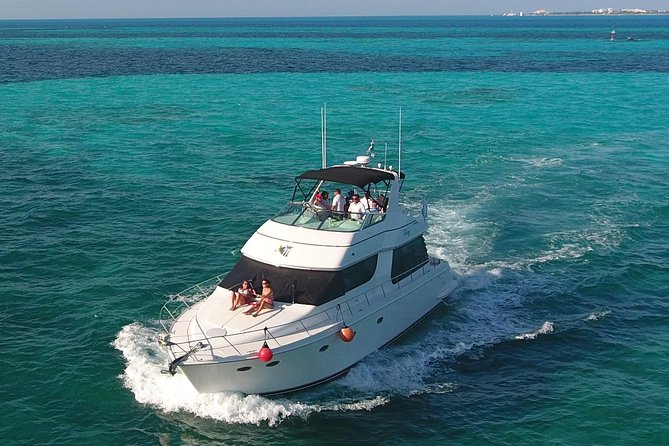
Build a Strong Yacht Charter Homepage
The homepage should quickly communicate:
Destination
Where do you operate?
Fleet
What types of yachts are available?
Price Positioning
Budget?
Premium?
Luxury?
Experiences
What can customers book?
Trust
Why should they choose the company?
Booking Path
What happens next?
A possible structure:
Hero
Private Yacht Charters in [Destination]
↓
Search / Browse Fleet
↓
Featured Yachts
↓
Popular Destinations
↓
Charter Experiences
↓
Why Book With Us
↓
Reviews
↓
How It Works
↓
FAQs
↓
Final Booking CTA
Do not begin with a vague statement such as:
“Creating unforgettable moments on the water.”
Tell the customer immediately what you sell and where.
Mobile Conversion Is Critical for Yacht Websites
Luxury does not excuse poor usability.
Travelers still use phones.
Mobile users need to:
- Browse yachts
- Compare prices
- View images
- Check capacity
- Send WhatsApp
- Call
- Request availability
without fighting the interface.
A large cinematic video may look impressive on desktop while dramatically slowing mobile performance.
Balance aesthetics with usability.
Yacht Photography and Image SEO
Yachts are highly visual products.
Customers need to see:
- Exterior
- Bow
- Stern
- Flybridge
- Salon
- Cabins
- Bathrooms
- Dining
- Deck
- Water toys
Do not publish fifteen nearly identical exterior shots while hiding the interior.
Image optimization should include:
- Compression
- Appropriate dimensions
- Modern formats where suitable
- Descriptive filenames
- Accurate alt text
- Lazy loading where appropriate
Google Search supports visual features and relies on accessible images and page content to understand visual material.
Use Video to Sell the Yacht Experience
Static images show the yacht.
Video helps customers imagine the experience.
Useful footage includes:
- Boarding
- Deck walkthrough
- Cabin tour
- Cruising
- Swimming
- Sunset
- Dining
- Water toys
Short vertical clips can support social media.
Longer walkthroughs can support fleet pages.
Avoid auto-playing several large videos simultaneously.
SEO for Yacht Charter Destinations
Destination content can reach travelers before they choose a yacht company.
Useful topics include:
- Best yacht destinations in [region]
- Cancun to Isla Mujeres by yacht
- Best beaches accessible by yacht
- Best yacht charter routes
- Best islands for day charters
- Yacht itinerary for couples
- Yacht itinerary for families
Each guide should connect naturally to fleet and booking pages.
Seasonal Yacht Charter SEO
Yacht demand is often seasonal.
Customers search around:
- Summer vacations
- Spring break
- Christmas
- New Year
- Bachelor trips
- Wedding season
- Whale seasons
- Fishing seasons
Build seasonal pages before demand peaks.
Best Time to Start Yacht Charter SEO
SEO should run year-round.
A useful planning cycle is:
| Period | SEO Priority |
|---|---|
| 4–6 months before peak | Build destination and fleet pages |
| 2–4 months before peak | Publish seasonal guides |
| 1–2 months before peak | Update prices and availability |
| Peak season | Focus on conversion and reviews |
| Shoulder season | Promote alternative routes |
| Low season | Improve technical SEO and content |
Do not wait until every yacht is already booked to improve organic visibility.
Weather Content Can Improve Yacht Charter SEO
Weather affects purchasing decisions.
Customers want to know:
- Best months
- Air temperature
- Water temperature
- Rain
- Wind
- Waves
- Hurricane season
- Cancellation procedures
A high-quality destination guide should explain what those conditions mean for yacht guests.
For example:
“June receives more rain”
is less useful than:
“Short tropical showers are possible, but charter cancellations depend primarily on marine conditions rather than rainfall alone.”
Interpretation is what makes the content useful.
Explain the Weather Cancellation Policy Clearly
Potential customers may hesitate to place a large deposit if they do not understand what happens during bad weather.
Explain:
- Who determines cancellation
- Whether rescheduling is offered
- When refunds apply
- What happens during port closures
- Whether routes can change
Clear policies reduce booking anxiety.
Marine Life Can Strengthen Destination Content
Wildlife can add another dimension to yacht charter marketing.
Depending on the destination and season, guests might encounter:
- Dolphins
- Sea turtles
- Rays
- Flying fish
- Whales
- Whale sharks
- Reef fish
- Seabirds
Use marine-life content carefully.
Never guarantee encounters with wild animals.
Instead explain:
- Typical seasons
- Habitats
- Responsible viewing practices
- Protected-area rules
This adds destination expertise while managing expectations.
Build Content Around Charter Itineraries
Itinerary content can be especially valuable.
Examples:
- 4-Hour Cancun Yacht Itinerary
- Full-Day Isla Mujeres Yacht Charter
- Best Yacht Route for Families
- Romantic Sunset Yacht Itinerary
- Best Stops for Snorkeling
Itineraries answer an important customer question:
“What will we actually do for six hours?”
That can improve both SEO and conversion.
Show What Different Charter Durations Allow
| Charter Length | Typical Experience |
|---|---|
| 2–3 hours | Sunset / short cruise |
| 4 hours | Nearby beaches / swimming |
| 6 hours | Expanded route + stops |
| 8 hours | Full-day destination experience |
| Multi-day | Multiple islands / overnight itinerary |
These are illustrative categories only; actual possibilities depend on location and vessel speed.
The website should provide destination-specific information.
Internal Linking Strategy for Yacht Charter Websites
Internal links should connect:
Fleet
to
Destinations
to
Experiences
to
Booking
For example:
60 ft Yacht
→ Isla Mujeres Yacht Charter
→ Birthday Yacht Charter
→ Check Availability
Another path:
Best Yacht Charter Routes in Cancun
→ Cancun Yacht Charter
→ Browse Fleet
This helps customers move naturally toward a purchase.
Avoid Keyword Cannibalization
Yacht charter companies frequently create multiple pages targeting nearly identical searches.
For example:
- yacht rental Cancun
- yacht charter Cancun
- Cancun yacht rentals
- private yacht Cancun
These searches may overlap heavily.
Do not automatically create four separate pages.
One strong Cancun yacht charter page may cover the variations naturally.
Creating several nearly identical pages can confuse site structure and make performance measurement harder.
Use Clean Yacht Charter URLs
Prefer:
/fleet/60-foot-sunseeker/
/destinations/isla-mujeres/
/experiences/birthday-yacht-charter/
instead of:
/product?id=82&type=3
Clean URLs improve usability and site organization.
If inventory changes, implement redirects carefully.
Google notes that duplicate or substantially similar URLs can make performance harder to track and may cause Google to choose a different canonical URL than expected.
Technical SEO for Yacht Charter Websites
Technical SEO should support the booking experience.
Check:
- HTTPS
- XML sitemap
- robots.txt
- Indexability
- Canonicals
- Redirects
- Broken links
- Mobile usability
- Image performance
- JavaScript booking systems
- Internal links
- Site architecture
Do not accidentally hide fleet inventory behind scripts that search engines cannot access reliably.
Important commercial pages should have normal crawlable URLs.
Structured Data for Yacht Charter Websites
Relevant Google-supported structured data may include:
- Organization
- LocalBusiness
- BreadcrumbList
- Article
Google recommends adding useful Organization information such as business name, URL, logo, telephone, and real-world address when applicable.
For legitimate physical locations, LocalBusiness markup can also communicate details such as opening hours and contact information.
Use BreadcrumbList to represent the site’s hierarchy where appropriate.
Do not assume that adding arbitrary schema types will automatically create enhanced rankings or rich results.
Structured data should accurately describe visible page content.
FAQ Content Is Still Useful, Even Without FAQ Rich Results
Yacht pages benefit from FAQs because customers have repetitive questions.
For example:
- Can we bring alcohol?
- Is food included?
- Are children allowed?
- Can we play our own music?
- What happens if it rains?
- Do we need passports?
- How much should we tip?
- Can we swim?
- Is snorkeling included?
However, Google discontinued FAQ rich results in Search starting May 7, 2026.
That does not make FAQs useless.
They still improve the customer experience and can answer important booking objections.
Write FAQs for customers, not for a rich-result trick.
Yacht Charter Website SEO for AI Search
Travelers increasingly research trips through AI-assisted search experiences.
They may ask:
“What size yacht do I need for 18 people in Cancun?”
or:
“Is four hours enough to visit Isla Mujeres by yacht?”
Google’s 2026 AI Search guidance emphasizes that traditional SEO foundations remain important and encourages publishers to provide valuable, unique information instead of commodity content.
This strongly favors yacht operators willing to publish real operational knowledge.
Create content that answers:
- Capacity
- Realistic routes
- Travel times
- Vessel differences
- Seasonality
- Weather
- Fees
- Group planning
That information is substantially more useful than generic luxury language.
Reviews and Social Proof Throughout the Website
Do not isolate all reviews on one page.
Use relevant testimonials close to buying decisions.
For example:
Family Yacht Page
Show a family review.
Bachelor Charter Page
Show a group-event review.
Premium Yacht Page
Show a review discussing crew and vessel quality.
Context makes social proof stronger.
Build Trust With Real Crew Information
High-value customers want to know who is responsible for the vessel.
Consider introducing:
- Captains
- Crew
- Concierge team
- Charter coordinators
Explain experience where relevant.
This humanizes the brand.
Anonymous websites with stock photos can feel risky when a customer is preparing to spend several thousand dollars.
Yacht Charter Conversion Strategies
SEO brings customers into the site.
Conversion design determines whether they become leads.
A strong yacht page should have a visible CTA near the top.
Possible CTAs:
Check Availability
Request This Yacht
Get a Quote
WhatsApp Our Charter Team
Repeat the CTA naturally after important decision sections.
Do not place fifteen different buttons with fifteen different messages.
Create one clear primary conversion goal.
Reduce Inquiry Form Length
A first inquiry generally needs:
- Date
- Group size
- Preferred yacht
- Charter duration
- Name
- Contact information
Do you really need the customer’s:
- home address
- passport
- meal choices
- shoe size
before determining whether the yacht is even available?
Collect detailed information later.
Reduce friction at the first step.
Availability Is One of the Strongest Conversion Signals
A customer may fall in love with a yacht only to discover it is unavailable.
If possible, provide:
- Live availability
- Availability request
- Fast quote response
If live inventory is unreliable, do not pretend it is real-time.
Use:
Request Availability
instead.
Clarity builds trust.
WhatsApp for Yacht Charter Conversion
WhatsApp can work particularly well for yacht sales.
Customers often have specific questions.
For example:
- Can we bring 18 people?
- Can we decorate?
- Is catering available?
- Can we leave later?
- Can you arrange transportation?
WhatsApp can help close these customers.
But the website should still answer the fundamentals first.
Do not make every visitor message:
“How much is the yacht?”
Pricing information should do part of the sales work.
Multilingual Yacht Charter SEO
International destinations attract multilingual customers.
Potential languages may include:
- English
- Spanish
- French
- German
- Portuguese
- Italian
Do not automatically translate every page without quality control.
Each language needs:
- Natural terminology
- Localized titles
- Appropriate keywords
- Correct internal links
- Current pricing
- Current fleet information
- Correct booking instructions
An outdated translated fleet page advertising a yacht that no longer exists damages trust.
Measure Yacht Charter SEO by Revenue, Not Just Traffic
A yacht charter website does not need millions of visitors.
It needs the right customers.
Track:
| Metric | Why It Matters |
|---|---|
| Organic clicks | Search visibility |
| Fleet page visits | Yacht demand |
| Destination page traffic | Market interest |
| Availability requests | Commercial intent |
| WhatsApp inquiries | Leads |
| Quote requests | Sales pipeline |
| Booking conversion | Website effectiveness |
| Average charter value | Revenue quality |
| Revenue by landing page | SEO ROI |
| Direct booking share | Channel control |
A page attracting 300 visitors and producing five $5,000 charters can be more valuable than a blog article attracting 20,000 visitors with no bookings.
Track Leads by Yacht
Know which yachts receive inquiries.
If one vessel gets substantial traffic but almost no quote requests, investigate.
Possible issues include:
- Price
- Photography
- Capacity
- Poor description
- Weak itinerary
- Availability
- Missing amenities
SEO data can reveal product problems.
Track Demand by Destination
Destination pages can reveal where customers want to travel.
Compare:
- Traffic
- Leads
- Conversion
- Booking value
That data can influence:
- Advertising
- Partnerships
- Fleet placement
- New itineraries
- Content investment
SEO should inform business strategy.
Common Yacht Charter Website SEO Mistakes
Putting the Entire Fleet on One Page
Individual yacht pages provide far better detail and targeting.
Hiding Pricing
Customers need financial context.
Generic Yacht Descriptions
Differentiate the boats.
Thin Destination Pages
Provide genuine local planning information.
Creating Fake Location Pages
Do not imply yacht inventory where it does not exist.
Poor Mobile Experience
Luxury customers still book from phones.
Oversized Photography
Optimize media.
No Internal Linking
Connect fleet, destination, and experience pages.
No Weather Policy
Large deposits require confidence.
No Availability Path
Customers need an obvious next step.
Measuring Traffic Instead of Revenue
Bookings are the goal.
Practical Yacht Charter Website SEO Action Plan
Step 1: Inventory the Fleet
Document:
- Yacht
- Model
- Length
- Capacity
- Cabins
- Amenities
- Prices
- Marina
Step 2: Define Real Destinations
List only locations the company genuinely serves.
Step 3: Map Search Intent
Separate:
- Fleet searches
- Destination searches
- Event searches
- Pricing searches
- Information searches
Step 4: Build Individual Yacht Pages
Make each genuinely useful.
Step 5: Build Destination Pages
Add routes, weather, timing, and recommended yachts.
Step 6: Improve Pricing
Eliminate unnecessary ambiguity.
Step 7: Improve Mobile Conversion
Test every page from a phone.
Step 8: Add Trust
Reviews, crew, real photography, policies.
Step 9: Build Internal Links
Connect fleet, destinations, experiences, and guides.
Step 10: Publish Seasonal Content
Plan ahead of demand.
Step 11: Fix Technical SEO
Crawlability, redirects, canonicals, images, indexing.
Step 12: Measure Leads and Revenue
Do not stop at rankings.
A 90-Day Yacht Charter Website SEO Plan
Days 1–30: Architecture and Conversion
Audit:
- Fleet
- URLs
- Destination pages
- Pricing
- Mobile UX
- Booking flow
- Indexing
Prioritize the biggest commercial problems.
Days 31–60: Fleet and Destination SEO
Build or improve:
- Yacht pages
- Destination pages
- Internal links
- Image optimization
- Titles
- Meta descriptions
- LocalBusiness / Organization information
Days 61–90: Content and Authority
Publish:
- Pricing guide
- Seasonal content
- Itineraries
- Occasion pages
Improve:
- Reviews
- Local partnerships
- Links
- Conversion tracking
Then evaluate which pages actually generate inquiries.
Frequently Asked Questions About Yacht Charter Website SEO
What is yacht charter website SEO?
Yacht charter website SEO is the process of optimizing fleet pages, destination content, site architecture, local visibility, technical performance, and conversion paths so customers can discover and book yacht charters through organic search.
Should every yacht have its own website page?
For meaningful fleet inventory, usually yes.
A dedicated page gives customers detailed information about capacity, amenities, price, photos, destination options, and availability.
Should yacht charter websites show prices?
Pricing transparency usually improves the customer experience.
If exact prices vary, provide starting rates or realistic ranges and explain what changes the final cost.
How should a yacht charter website organize destinations?
Create pages only for real destinations served by the company.
Each page should explain routes, departure points, recommended charter durations, yachts, conditions, attractions, and pricing considerations.
Are yacht fleet pages good for SEO?
Yes, when each page contains useful and differentiated content.
Near-identical pages generated from a template with minimal unique information provide far less value.
Is local SEO important for yacht charter companies?
Yes, particularly for businesses with legitimate customer-facing marina or office locations and travelers searching for charters within a destination.
Should yacht charter websites publish seasonal content?
Yes.
Weather, tourism demand, wildlife, holidays, and events can all influence yacht charter searches.
What structured data should a yacht charter website use?
Depending on the site, relevant Google-supported types can include Organization, LocalBusiness, BreadcrumbList, and Article. Structured data should accurately represent visible content.
Does FAQ schema still improve Google visibility?
FAQ content can still be valuable for users, but Google discontinued FAQ rich results in Search in May 2026.
What is more important: traffic or yacht inquiries?
Qualified inquiries and revenue.
A smaller volume of high-intent visitors can be far more valuable than large numbers of informational visits that never convert.
Final Thoughts: Yacht Charter Website SEO Starts With Better Website Architecture
The strongest yacht charter website SEO strategy begins with understanding how customers choose.
They compare yachts.
They compare destinations.
They compare prices.
They evaluate reviews.
They examine photos.
They consider group size.
They worry about weather.
They ask what is included.
And eventually they want to know:
Is this yacht available for my date?
Your website structure should follow that decision process.
Build a clear fleet.
Give each important yacht a useful page.
Create legitimate destination pages.
Explain pricing.
Show realistic itineraries.
Publish weather and seasonal information.
Add marine-life context where relevant.
Use real photography.
Make reviews visible.
Optimize mobile UX.
Connect fleet, destinations, experiences, and booking pages with logical internal links.
And measure success by inquiries, bookings, and charter revenue rather than rankings alone.
Google’s current Search guidance supports the same broader principle: strong technical foundations remain important, but businesses also need original, useful content that goes beyond generic information already available elsewhere.
A yacht charter company has a significant advantage because it possesses information only real operators know:
which yacht suits a 20-person group, which route works in four hours, when the sea becomes uncomfortable, which marina reduces transfer time, how much fuel changes an itinerary, which deck works best for celebrations, and what guests repeatedly ask before booking.
Turn that operational expertise into the structure and content of the website.
Then make the path from:
Google → fleet → destination → price → availability → booking
as short and clear as possible.
That is how yacht charter website SEO becomes a direct-booking strategy rather than simply another marketing tactic.


 Spanish
  English
  French